Featured
Getting The Real Stories of Families Who Found Freedom To...
The Ways I’m Not Behind on Payments Yet. Can I Still Enro...


How Unexpected Fees That Reputable Providers Eliminate can Save You Time, Stress, and Money.
Table of Contents
While brand-new credit report can help you reconstruct, it is very important to room out your applications. If you have a family members member or close friend with excellent credit rating, think about inquiring to add you as an authorized individual on one of their debt cards. If they do it, the full history of the account will be included in your credit records.
Before you take into consideration debt negotiation or personal bankruptcy, it is essential to recognize the potential benefits and disadvantages and just how they might apply to your scenario. Here's what to remember. Both alternatives can lower or remove big portions of unsecured financial obligation, aiding you prevent years of unmanageable settlements. Resolving a debt or declare bankruptcy can stop claims, wage garnishments, and hostile lender activities.
If you're uncertain that debt negotiation or bankruptcy is right for you, here are a few other financial debt relief alternatives to consider. The proper way will rely on your scenario and goals. If you have some flexibility with your budget plan, below are some accelerated debt repayment alternatives you can go after: Start by noting your financial debts from the tiniest to the biggest equilibrium.
The Single Strategy To Use For Your Protection
The therapist negotiates with lenders to reduced rates of interest, waive late charges, and develop a workable month-to-month payment. You make one combined repayment to the agency, which then pays your economic organizations. While a DMP does not reduce the major balance, it aids you settle financial obligation faster and more economically, generally within 3 to five years.
While you can bargain with financial institutions by yourself, it's usually a challenging and time-consuming procedure, particularly if you require to fix a huge amount of financial debt across a number of accounts. The process needs a solid understanding of your finances and the financial institution's terms in addition to self-confidence and determination. Therefore, there are financial obligation alleviation business additionally known as financial obligation settlement firms that can take care of the settlements for you.
Individuals that register in debt alleviation programs have, typically, approximately $28,000 of unsecured financial debt across virtually 7 accounts, according to an analysis commissioned by the American Association for Debt Resolution, which considered clients of 10 significant financial debt alleviation business in between 2011 and 2020. Concerning three-quarters of those customers had at least one financial debt account efficiently settled, with the regular enrollee resolving 3.8 accounts and more than half of their signed up financial obligation.
It prevails for your credit rating score to fall when you initially begin the financial debt alleviation process, particularly if you stop making settlements to your lenders. As each financial obligation is worked out, your credit report should begin to rebound. Be sure you recognize the overall costs and the effect on your credit when reviewing if financial debt settlement is the ideal choice.
Indicators on Creating Your Custom Debt Relief Plan You Should Know
As stated above, there are alternatives to debt settlement that may be a better fit for your monetary situation. This technique turns several financial obligations right into a single month-to-month settlement and frequently offers a lower passion price, simplifying your financial resources and potentially saving you cash over time.
Here's just how each one works: Debt combination car loans: These are personal financings that you can use to settle your existing financial obligations, leaving you with simply one month-to-month bill, usually at a reduced rates of interest. Equilibrium transfer credit history cards: This involves relocating your existing bank card balances to a brand-new credit card that uses a lower rate of interest rate or a marketing 0% APR for a set duration.
Once the period finishes, rate of interest prices will certainly be significantly high usually over 20%. Home equity fundings or HELOCs (home equity credit lines): These finances enable you to borrow versus the equity in your home. You obtain a swelling amount or a credit line that can be utilized to pay off debts, and you normally profit from lower rate of interest contrasted to unprotected financings.
The Single Strategy To Use For The Advantages and Disadvantages When Considering Debt Settlement vs. Debt Management Plan: What’s Safer for Your Credit?
These plans have numerous benefits, such as simplifying your repayments by consolidating numerous right into one and potentially minimizing your interest rates. They commonly come with a setup charge varying from $30 to $50, and a regular monthly maintenance charge of around $20 to $75, depending on the agency you function with.
Having a great deal of debt can be frustrating, yet it's still critical to put in the time to think about the details of various remedies so you comprehend any type of potential threats. The most effective financial obligation plan for you relies on your monetary scenario. If you're having a hard time with your costs however still haven't missed any type of payments, a financial obligation management plan could be a good fit specifically if you don't want your credit report to container.
Whichever your scenario is, consider talking to a certified debt therapist, a bankruptcy attorney, or a licensed financial debt specialist before relocating onward. They can help you get a complete understanding of your funds and choices so you're much better prepared to make decisions. Another aspect that influences your alternatives is the type of financial obligation you have.
It is important to understand that a discharge stands out from financial debt forgiveness, and financial debt does not get "forgiven" with an insolvency filing. Our West Palm Beach insolvency attorneys can discuss in more detail. As a whole, "financial obligation mercy" refers to a circumstance in which a financial institution does not believe it can collect the complete quantity of the debt owed from a borrower, and either stops attempting to gather or accepts forgive an amount much less than what the borrower owed as component of a debt negotiation arrangement.
The Pricing Honesty That Debt Settlement vs. Debt Management Plan: What’s Safer for Your Credit? Experts Don't Have Ideas
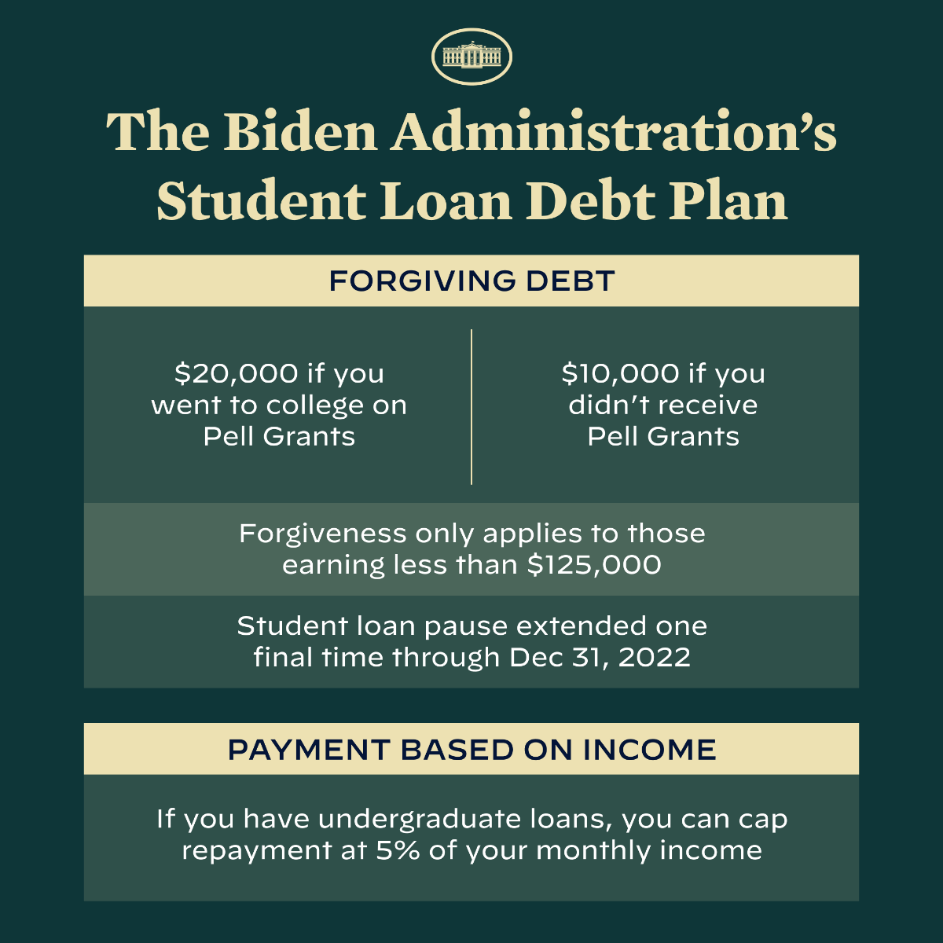
When this takes place, the financial debt will certainly be considered "canceled" by the IRS, and the borrower will usually obtain a termination of financial obligation develop the amount of financial obligation forgiven is taxed. In an insolvency case, debt is not forgiven by a lender. Instead, it is released by the insolvency court, and discharge has a different definition from debt mercy.

Table of Contents
Latest Posts

What Does Chapter 7 Fundamentals Before Filing Do?

Getting The Real Stories of Families Who Found Freedom To Work
The Ways I’m Not Behind on Payments Yet. Can I Still Enroll in a Debt Relief Program? : APFSC Ensures Regulatory Compliance Ideas
More
Latest Posts
What Does Chapter 7 Fundamentals Before Filing Do?
Getting The Real Stories of Families Who Found Freedom To Work